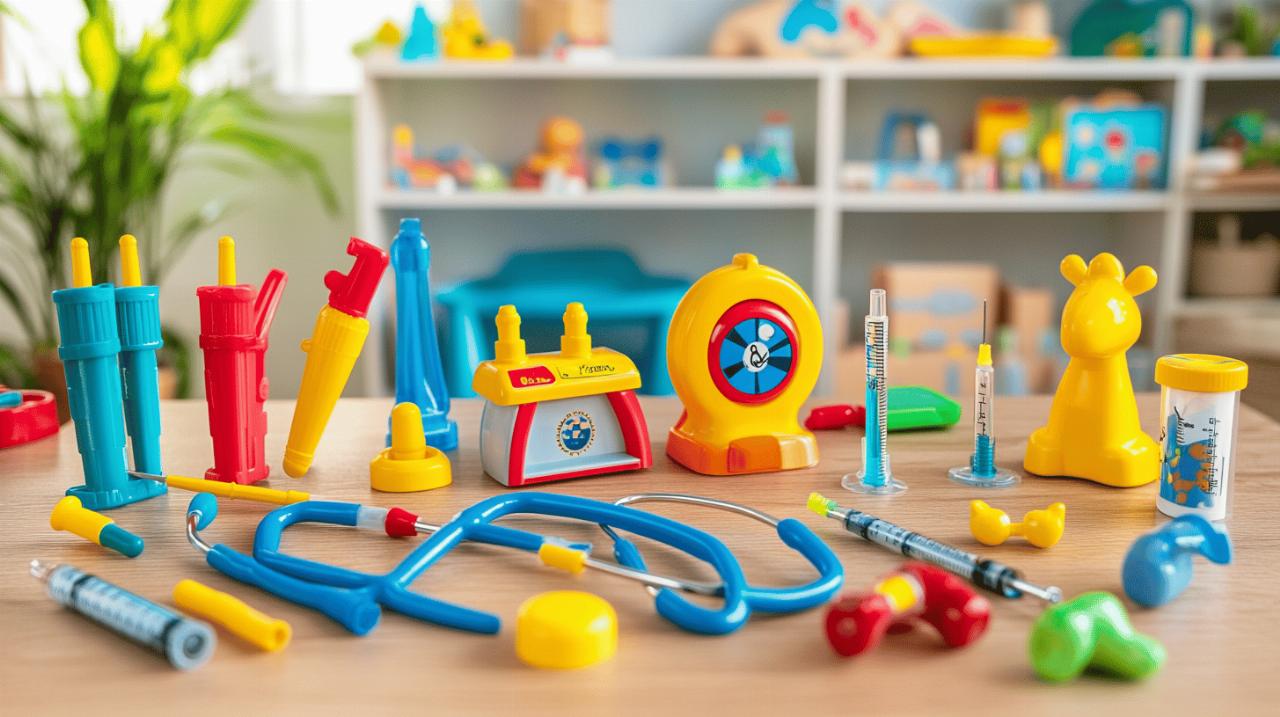
When you finally bring home that perfect doctor's kit for your little one, the real challenge often begins not with the imaginative play itself but with keeping all those tiny stethoscopes, syringes, and bandages from disappearing into the depths of the toy box. The thrill of medical role-play can quickly turn into a frustrating treasure hunt when pieces go missing or the entire set ends up scattered across the playroom floor. Establishing a thoughtful storage system from the outset not only preserves the integrity of the toy set but also transforms tidying up into an extension of the learning experience itself.
Creating dedicated spaces: storage solutions that work for medical play sets
The foundation of effective toy organisation lies in designating a specific home for your child's medical play set. Rather than allowing the doctor's kit to merge with building blocks and stuffed animals, carving out a dedicated space sends a clear message about the importance of this particular toy and makes retrieval straightforward when it's time to play hospital again. This approach also helps children develop spatial awareness and understand that different activities have their own zones within the home.
Utilising Clear Containers and Labelling Systems for Easy Access
Transparent storage bins offer an immediate advantage when it comes to locating specific items within a doctor's kit. Children can see at a glance whether the thermometer or reflex hammer is inside without having to empty the entire container onto the floor. Opting for clear plastic boxes with secure lids ensures that smaller components remain contained whilst still being visible, which can significantly reduce the time spent searching for that elusive piece of medical equipment. Pairing these containers with simple labelling systems further enhances accessibility, especially for children who are beginning to recognise words or symbols. A picture of a stethoscope paired with the word itself on the front of the container creates a dual learning opportunity, reinforcing literacy skills whilst maintaining organisation. Even for younger children who cannot yet read, colourful illustrated labels provide visual cues that make tidying up an intuitive process rather than a guessing game.
Converting household items into practical medical toy storage
Resourceful parents often discover that repurposing everyday household items can yield surprisingly effective storage solutions for medical play sets. An old cutlery tray, for instance, becomes an excellent organiser for separating bandages, cotton wool balls, and small instruments into distinct compartments. The individual sections prevent items from tangling together and make it easy for children to return each piece to its proper place. Similarly, shoe organisers with clear pockets can be hung on the back of a door or mounted on a wall, transforming vertical space into a functional storage gallery where each pocket holds a different element of the doctor's kit. This method not only keeps everything visible and accessible but also adds a playful, clinic-like aesthetic to the room that can enhance the overall imaginative play experience.
Maximising Small Spaces: Compact Storage Ideas for Doctor's Kits in Nurseries and Bedrooms
In homes where space comes at a premium, finding room for yet another storage solution can feel like an impossible puzzle. However, medical play sets are typically compact enough that with a bit of creativity, they can be accommodated even in the smallest of nurseries or bedrooms without sacrificing floor space or creating visual clutter.
Wall-Mounted Solutions and Hanging Organisers for Vertical Storage
When floor space is limited, looking upward becomes essential. Wall-mounted shelves, pegboards, and hanging organisers transform unused vertical surfaces into valuable storage real estate. A small floating shelf positioned at your child's height can hold the entire doctor's kit in a basket or open container, making it both decorative and functional. Pegboards offer even greater flexibility, as hooks and baskets can be rearranged as your child grows or as the collection of medical toys expands. This approach also has the added benefit of keeping toys off the floor, reducing trip hazards and creating a tidier overall appearance in the room. Hanging fabric organisers with multiple pockets can be secured to walls or doors, with each pocket designated for a different category of medical equipment, from examination tools to pretend medicines.
Multi-purpose furniture that doubles as toy storage
Furniture that serves more than one function is a game-changer in compact spaces. Storage ottomans, for example, provide seating or a footrest whilst concealing the doctor's kit inside. Beds with built-in drawers underneath offer hidden storage that keeps toys out of sight when not in use, maintaining a calm sleeping environment whilst ensuring everything has a proper place. Benches with lift-up seats can be positioned at the foot of the bed or beneath a window, offering both a cosy reading nook and a clever hiding spot for medical play sets. These multi-purpose pieces blend seamlessly into the room's design, eliminating the need for standalone toy boxes that might overwhelm a smaller space.
Teaching organisation skills through medical toy storage routines
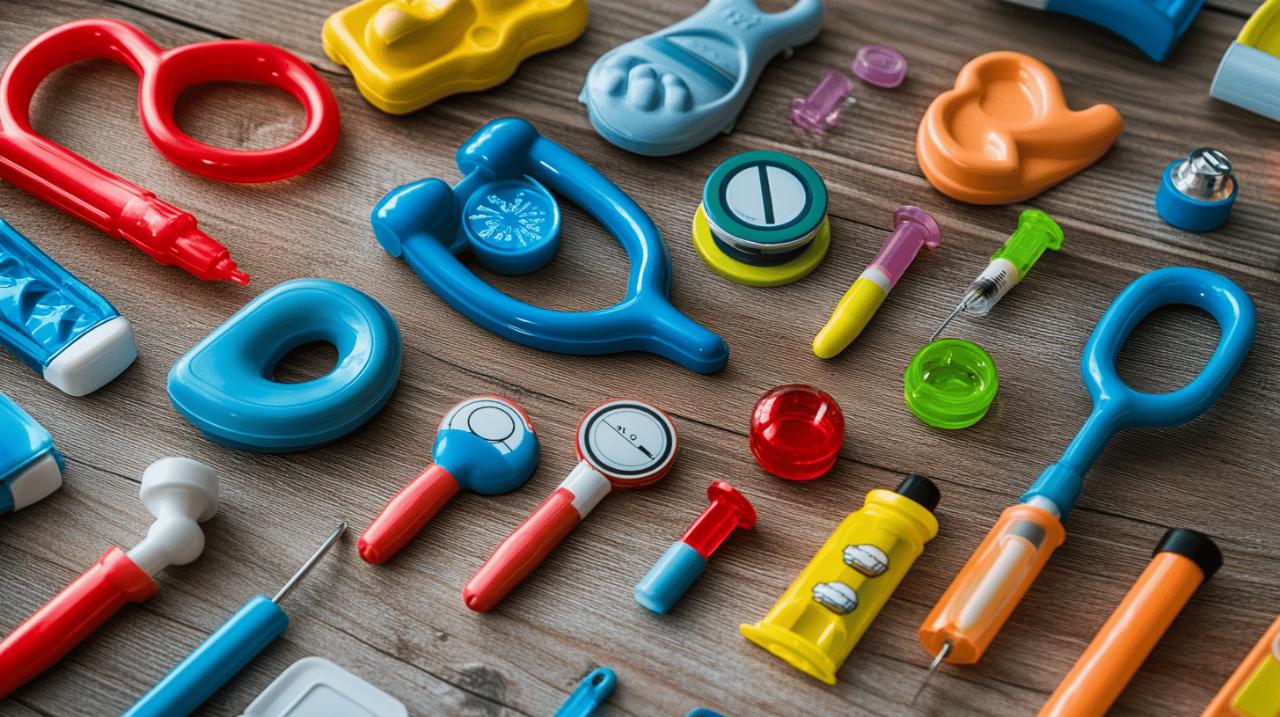 Beyond the practical benefits of keeping toys tidy, establishing storage routines for the doctor's kit provides an invaluable opportunity to instil organisational skills that will serve your child well into adulthood. When children learn that each item has a designated place and that returning things to their proper spot is part of the play cycle, they begin to develop a sense of responsibility and order.
Age-appropriate tidying systems that encourage independence
Tailoring your storage system to match your child's developmental stage is crucial for fostering independence. For toddlers, a single large bin with a picture of a doctor on the front might be sufficient, allowing them to simply toss all the pieces inside at clean-up time. As children grow, introducing more complex systems with multiple compartments or categories helps refine their sorting skills. Preschoolers might enjoy colour-coded containers where red holds instruments, blue contains bandages, and green is for pretend medications. This gradual increase in complexity mirrors their cognitive development and keeps the tidying process engaging rather than overwhelming. By ensuring that the storage system is accessible without adult assistance, right down to choosing bins with easy-open lids or baskets that slide out effortlessly, you empower your child to take ownership of their play space.
Making Clean-Up Time Part of the Imaginative Play Experience
Transforming tidying up from a chore into an extension of the imaginative play itself can work wonders for compliance and enthusiasm. Framing the clean-up routine as the doctor packing up the medical office at the end of the day or preparing the ambulance for the next emergency call keeps children engaged in their role-play narrative. Singing a special clean-up song or setting a gentle timer can add structure without pressure, turning the process into a predictable and even enjoyable ritual. When children understand that putting away the doctor's kit properly means it will be ready for their next medical adventure, they begin to see organisation as a practical tool rather than a punishment or interruption.
Portable Storage Options: Taking the Doctor's Kit on the Go
Medical play sets are not confined to the home, and having a portable storage solution allows your child to bring their doctor's kit to grandparents' houses, playdates, or even on family holidays. The right travel-friendly storage ensures that the imaginative play can continue wherever your family goes, without the risk of losing precious pieces along the way.
Travel-Friendly Bags and Cases for Medical Play Sets
Dedicated carry cases designed specifically for doctor's kits are available, but many parents find that general-purpose bags work just as well. A small duffel bag with compartments, a lunch box with a sturdy handle, or even a sturdy zip-up pencil case for smaller sets can all serve as excellent travel containers. The key is choosing something with a secure closure to prevent spills and a design that your child can easily carry themselves, fostering independence even when away from home. Look for options with adjustable straps or handles that fit comfortably in small hands, and consider bags with wipeable interiors for easy cleaning after a busy play session.
Protecting toy quality whilst maintaining easy transport
When transporting medical toys, protecting their quality becomes as important as convenience. Wrapping delicate items like toy thermometers or play syringes in soft fabric pouches or small towels prevents them from breaking during transit. Choosing bags with padding or rigid sides offers additional protection against bumps and drops. It's also worth considering how easily the bag can be packed and unpacked by your child, as overly complicated systems might discourage them from helping with the process. A balance between protection and accessibility ensures that the doctor's kit remains in good condition whilst still being simple enough for young hands to manage independently, maintaining both the toy's longevity and your child's sense of capability.