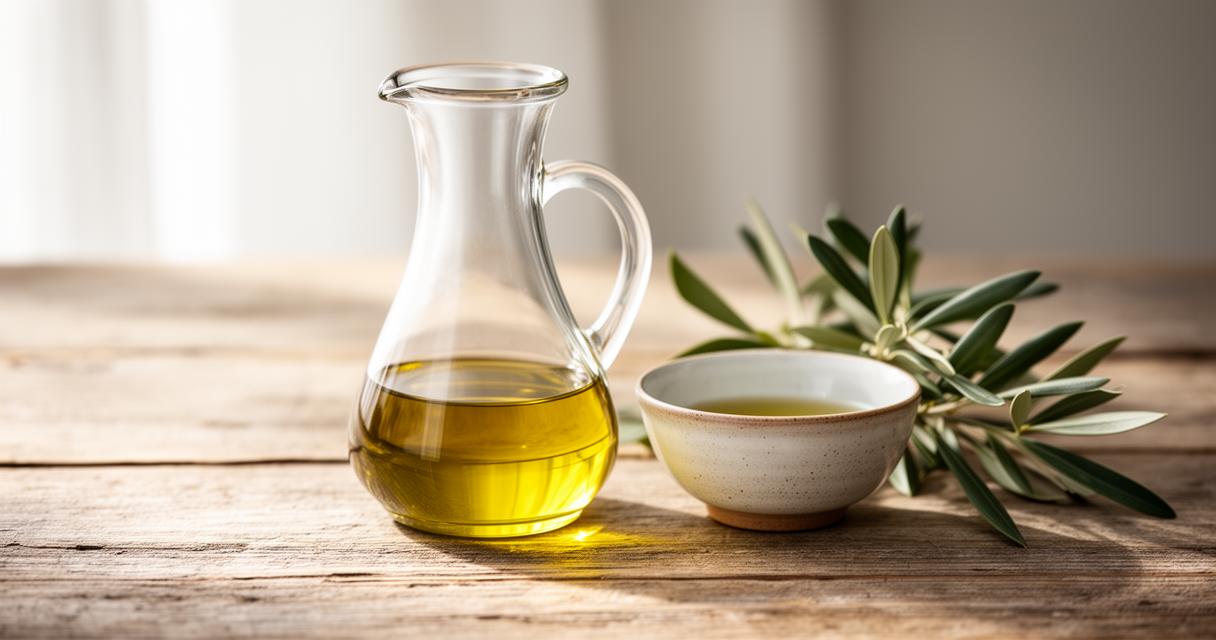
For thousands of years, people around the Mediterranean have turned to a humble kitchen staple to keep their tresses soft, glossy and resilient. That golden liquid is olive oil, and long before it became a darling of the beauty aisle, it was quietly doing wonders for hair in homes across Greece, Italy and beyond. Today, with heat styling tools and daily stress taking a toll on our strands, this ancient remedy is enjoying a well-deserved revival as a natural fix for dryness, frizz and lacklustre locks.
In brief
- Olive oil is a natural, antioxidant-rich remedy that restores moisture to dry, heat-damaged hair and helps protect it from further breakage.
- Organic cold-pressed virgin olive oil is the most effective choice because it retains the natural polyphenols and vitamin E necessary for hair health.
- The oil helps manage frizz by smoothing the hair cuticle and creating a protective barrier that seals in internal hydration.
- A simple DIY mask combining olive oil, raw honey, and an egg can help rebuild protein in weakened strands and improve elasticity.
- Consistent application, such as using olive oil as a weekly treatment or a light pre-styling protectant, is essential for maintaining long-term hair resilience.
- When using egg-based hair masks, it is important to rinse with lukewarm or cool water to prevent the protein from setting in the hair.
The Remarkable Benefits of Olive Oil for Hair Health
Natural Nourishment for Dry and Heat-Damaged Tresses
Hair that has been repeatedly exposed to straighteners, curling wands and blow dryers often loses its natural moisture barrier, leaving it brittle and prone to snapping. Olive oil has been used for hair treatment for over two thousand years, and modern research is finally catching up with what our ancestors intuitively understood. The oil is rich in fatty acids and antioxidants that help protect hair from oxidative stressors, meaning it can shield strands from the sort of everyday damage that leads to split ends and dullness. There is even evidence suggesting olive oil may aid in hair growth, with some reports noting it has helped people dealing with hair loss linked to Covid-19, a connection that has understandably sparked curiosity among those searching for gentler alternatives to harsh chemical treatments.
Beyond its protective qualities, olive oil is prized for its ability to lock in hair hydration. Applying it directly to the scalp can help calm irritation while simultaneously adding a noticeable sheen to the hair shaft, tackling two problems at once. For anyone battling frizzy hair that seems to have a mind of its own, this dual action of soothing the scalp and smoothing the cuticle makes olive oil a rather clever multitasker.
Why organic virgin olive oil delivers superior results
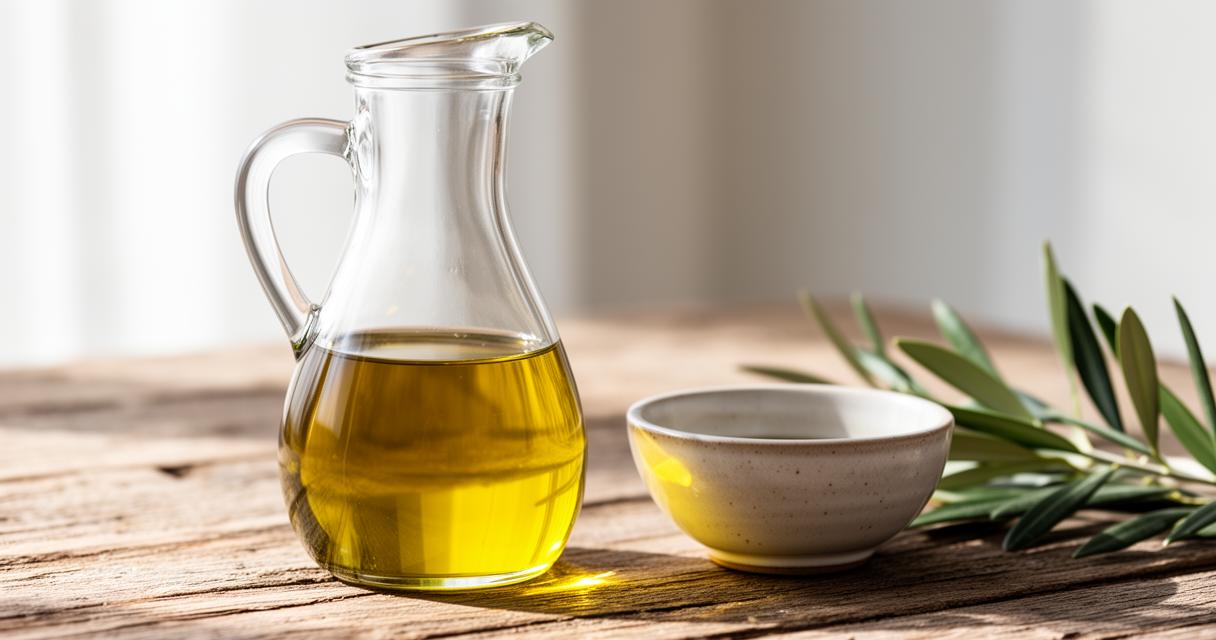
Not all olive oil is created equal, and when it comes to hair care, quality genuinely matters. Choosing an organic cold-pressed variety ensures you are getting the oil in its purest form, free from the chemical processing that can strip away beneficial compounds. Interestingly, studies have found olive oil to be more effective than silicon in promoting healthy hair, which is a significant point for anyone trying to move away from synthetic ingredients commonly found in mainstream shampoo and conditioner formulas. Virgin olive oil retains more of its natural polyphenols and vitamin E, both of which contribute to stronger, shinier strands over time.
Diy restorative hair mask: olive oil, honey, and eggs recipe
Step-by-step guide to creating your homemade treatment
Whipping up a nourishing hair mask at home requires little more than ingredients you likely already have in your kitchen. Combine two tablespoons of good quality olive oil with one tablespoon of raw honey and a single whisked egg, blending everything together until you achieve a smooth, cohesive mixture. The honey acts as a natural humectant, drawing moisture into the hair, while the egg contributes protein that helps rebuild weakened strands. This trio works in harmony to address multiple concerns at once, from dryness to lack of elasticity, making it a particularly effective option for those with heat-styled or chemically treated hair.
Proper Application Techniques for Scalp and Hair Fibre
Once your mixture is ready, section your hair and apply it generously from root to tip, taking care to massage a small amount into the scalp to encourage circulation and support overall scalp health. Leave the mask in for around thirty minutes, ideally covered with a shower cap to allow the ingredients to penetrate fully, before rinsing thoroughly with lukewarm water and following with a gentle shampoo. Cool water is best for rinsing out egg-based masks, as heat can cause the protein to set and become difficult to remove.
Understanding how natural ingredients combat frizzy hair
The science behind olive oil's protective properties
Frizz often occurs when the outer layer of the hair, known as the cuticle, becomes raised and allows moisture to escape unevenly. Olive oil works by coating this outer layer, smoothing it down and creating a barrier that helps retain internal moisture. This is why so many beauty products now feature olive oil as a headline ingredient. Korres offers a Pure Greek Olive Nourishing Hair Mask priced at twenty-five pounds twenty, formulated with locally sourced olive oil that reflects the brand's Mediterranean roots. Meanwhile, Kiehl's has combined olive fruit oil with avocado and lemon oils in its shampoo, which retails for thirty-eight pounds, alongside a matching conditioner priced at twenty-eight pounds.
For those seeking more affordable or eco-conscious options, SeekBamboo produces an olive oil shampoo bar costing twelve pounds eighty that reportedly lasts for around ninety washes, making it a sustainable choice for long-term use. ORS Hair Care offers a Nourishing Exotic Scalp Oil at just six pounds forty-nine, suitable for virtually any hair type, while Allpa Botanicals sells a premium olive hair oil for thirty-seven pounds made entirely from organic cold-pressed olive oil.
Long-term care strategies for heat-styled hair
Consistency is key when incorporating olive oil into a hair care routine. Rather than relying on a single treatment, weaving it into your regular regimen, whether through a weekly mask, a lightweight scalp oil, or an infused shampoo bar, helps maintain results over time. Those who style their hair with heat regularly may benefit from applying a small amount of oil as a pre-styling protectant, creating a buffer against thermal damage. With patience and regular use, olive oil can genuinely transform the texture and appearance of even the most stressed, frizz-prone hair, proving that sometimes the best beauty solutions have been sitting in our kitchen cupboards all along.