From the sun-ripened orchards of the tropics to the quiet hedgerows of the English countryside, fruits beginning with the letter M offer one of the most varied and rewarding categories in the whole of the produce aisle. Whether you are after something juicy and fragrant or a small, tart morsel perfect for a homemade jam, this letter delivers an impressive range of textures, colours, and flavours that deserve a proper introduction.
The essentials
- Fruits starting with the letter M offer a diverse range of textures, colors, and flavors, spanning from tropical regions to European orchards.
- Mango varieties found in UK markets, such as Alphonso, Kent, Kesar, and Julie, provide distinct profiles ranging from custard-like sweetness to citrusy tangs.
- Seasonal availability varies significantly, with melons peaking in summer, mandarins appearing in winter, and mirabelle plums ripening in early autumn.
- Beyond taste, fruits like mangoes, melons, and mandarins provide essential nutrients, including vitamin C, beta-carotene, potassium, and dietary fiber.
- The geographic diversity of these fruits includes tropical options like passion fruit (maracuja) and regional European specialties like the French mirabelle plum.
- M-fruits are highly versatile in the kitchen, suitable for everything from fresh salads and porridge toppings to complex chutneys, tarts, and coulis.
Magnificent Mangoes: From Alphonso to Kent Varieties and Their Distinctive Flavour Characteristics
Understanding the Spectrum of Mango Cultivars Available in UK Supermarkets and Speciality Shops
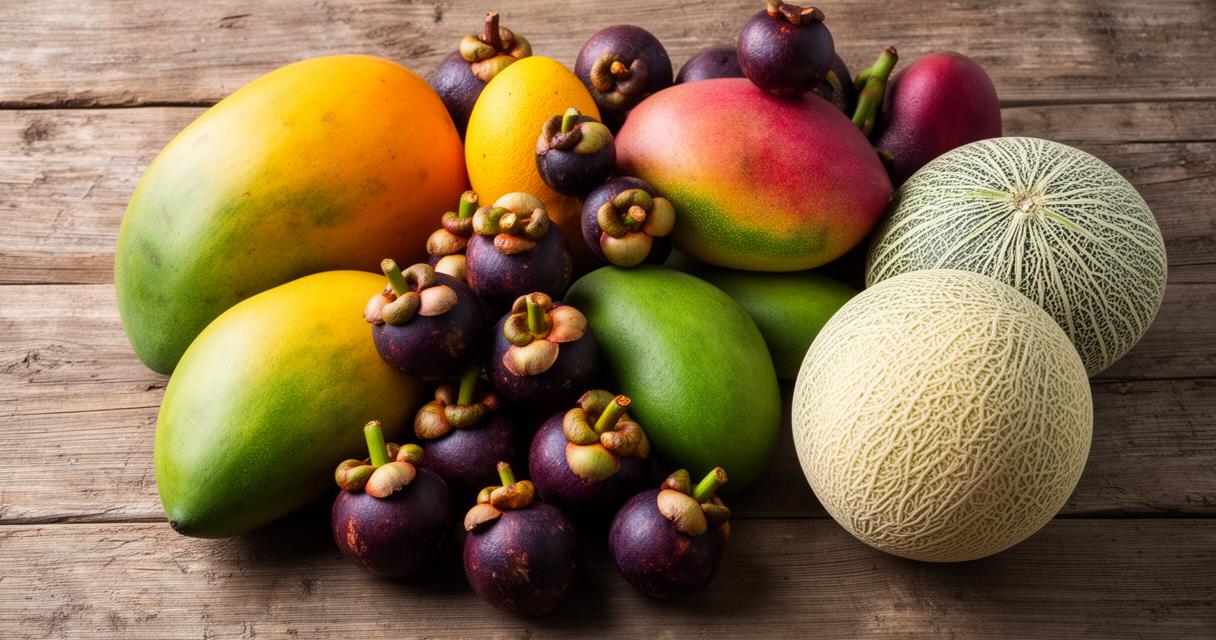
Few fruits inspire as much devotion as the mango, and wandering through a British greengrocer or supermarket today reveals a surprising diversity of cultivars. The Alphonso, often hailed as the king of mangoes, arrives from India during a fairly short window and is prized for its buttery flesh and rich, almost custard-like sweetness. Alongside it, you will frequently spot the Kent variety, larger and firmer, with a lovely balance between sweetness and a gentle citrus tang. Speciality shops catering to South Asian, Caribbean, and African communities often stock lesser-known types such as the Kesar or the Julie mango, each bringing its own regional character to the table. It is this very variety that makes any fruit starting with m list feel incomplete without a proper nod to the mango's many faces.
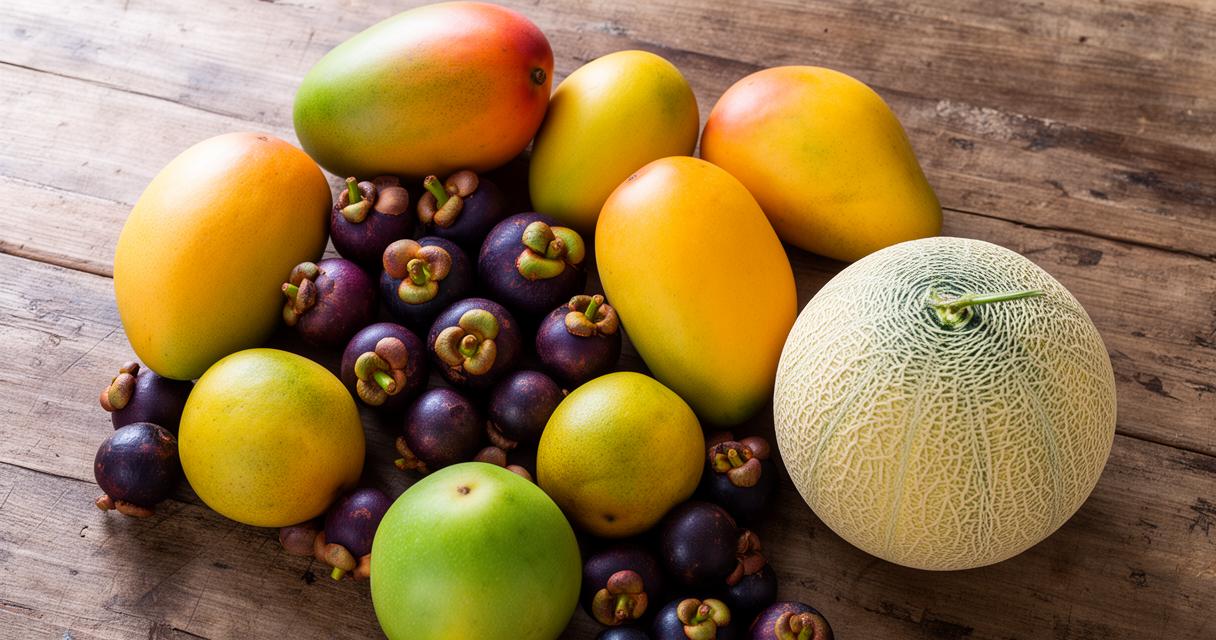
Tasting notes: sweet, tangy, and aromatic profiles across different mango varieties
What makes mangoes so endlessly fascinating is how dramatically their flavour can shift depending on origin and ripeness. Some varieties lean heavily into tropical sweetness with notes of honey and peach, while others carry a more resinous, almost pine-like aroma that surprises first-time tasters. The texture, too, ranges from fibrous and rustic to smooth and almost silky, meaning there is genuinely a mango suited to every palate. A perfectly ripe specimen should yield gently to the touch and release a heady, floral scent near the stem, a simple test that never fails.
Melons, Mandarins, and More: Seasonal Availability and Peak Freshness for M-Fruits Throughout the Year
The British Growing Calendar: When to Find Homegrown and Imported M-Fruits at Their Best
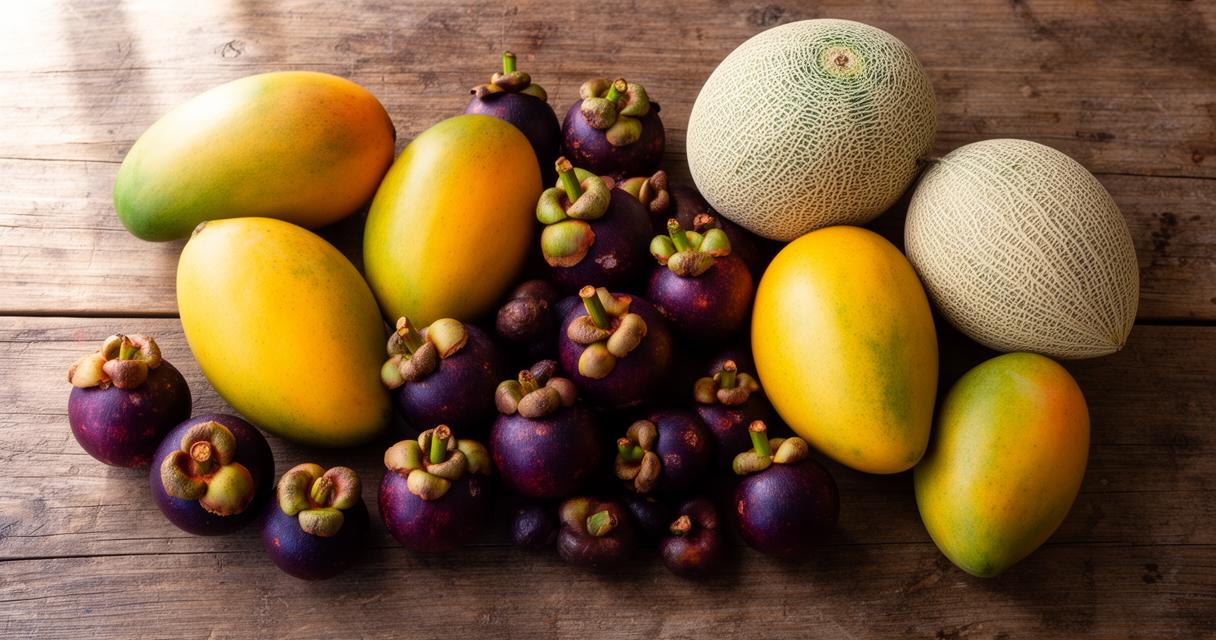
Beyond the mango, this letter offers a wealth of options that rotate through the seasons. Melons, including cantaloupe and honeydew varieties, reach their peak during the warmer summer months, when their high water content makes them a refreshing treat. Mandarins, by contrast, are very much a winter fruit in the UK, arriving in abundance around the festive season with their easy-to-peel skin and cheerful, tangy segments. Marionberries, a hybrid blackberry variety popular in North America, tend to appear briefly in high summer, while mirabelle plums, small and golden, have their moment in early autumn, particularly across parts of France and increasingly in specialist British markets.
Nutritional Benefits and Vitamin Content of Popular M-Fruits for Your Wellbeing
These fruits are not simply delicious; they carry genuine nutritional weight. Mangoes are notably rich in vitamin C and beta-carotene, supporting skin health and immune function, while melons offer excellent hydration alongside modest doses of potassium. Mandarins provide a convenient vitamin C boost during the colder months when immunity often needs a helping hand. Even the smaller, less celebrated mirabelle plum contributes fibre and antioxidants, making it a worthwhile addition to an autumn fruit bowl rather than a mere novelty.
Tropical Treasures and European Gems: Geographic Origins of M-Fruits from Maracuja to Mirabelle Plums
North american and european m-fruit varieties: regional specialities worth discovering
The geographic spread of M-fruits is genuinely remarkable. Maracuja, known more commonly as passion fruit in Brazil and much of South America, brings an intensely aromatic, tart pulp that has become increasingly popular in British smoothies and desserts. Meanwhile, mulberries grow wild across parts of Europe and North America, their deep purple berries staining fingers and lips alike during late summer picking sessions. The mirabelle plum remains something of a regional treasure, grown predominantly in the Lorraine region of France, where it is protected almost like a cultural heirloom and transformed into jams, tarts, and the famous eau de vie.
Bringing Global Flavours Home: Recipe Ideas and Culinary Uses for M-Fruits in British Cooking
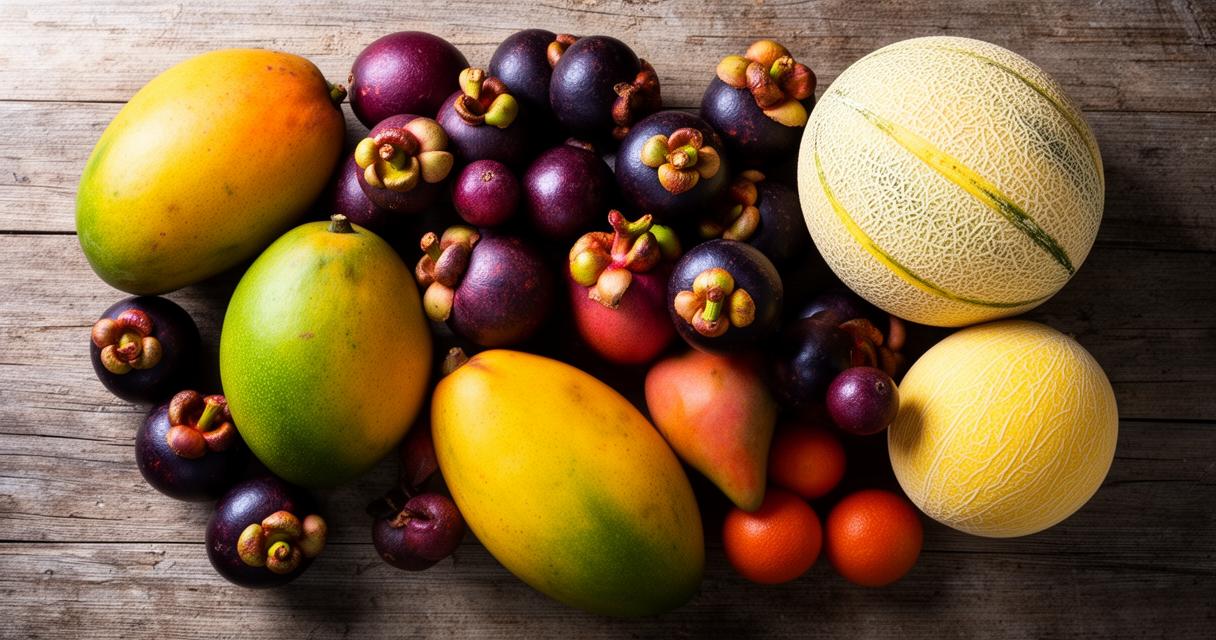
Incorporating these fruits into everyday British cooking is easier than many assume. Mango works beautifully in a spiced chutney or simply sliced atop a bowl of morning porridge, while melon adds a refreshing element to summer salads, particularly when paired with mint and a little feta. Mandarin segments brighten up winter roasts and festive puddings, and mirabelle plums lend themselves wonderfully to a rustic frangipane tart. For the more adventurous cook, a passion fruit curd or coulis can transform a simple sponge cake into something rather special, proving that this letter's fruits are as versatile in the kitchen as they are varied on the vine.